
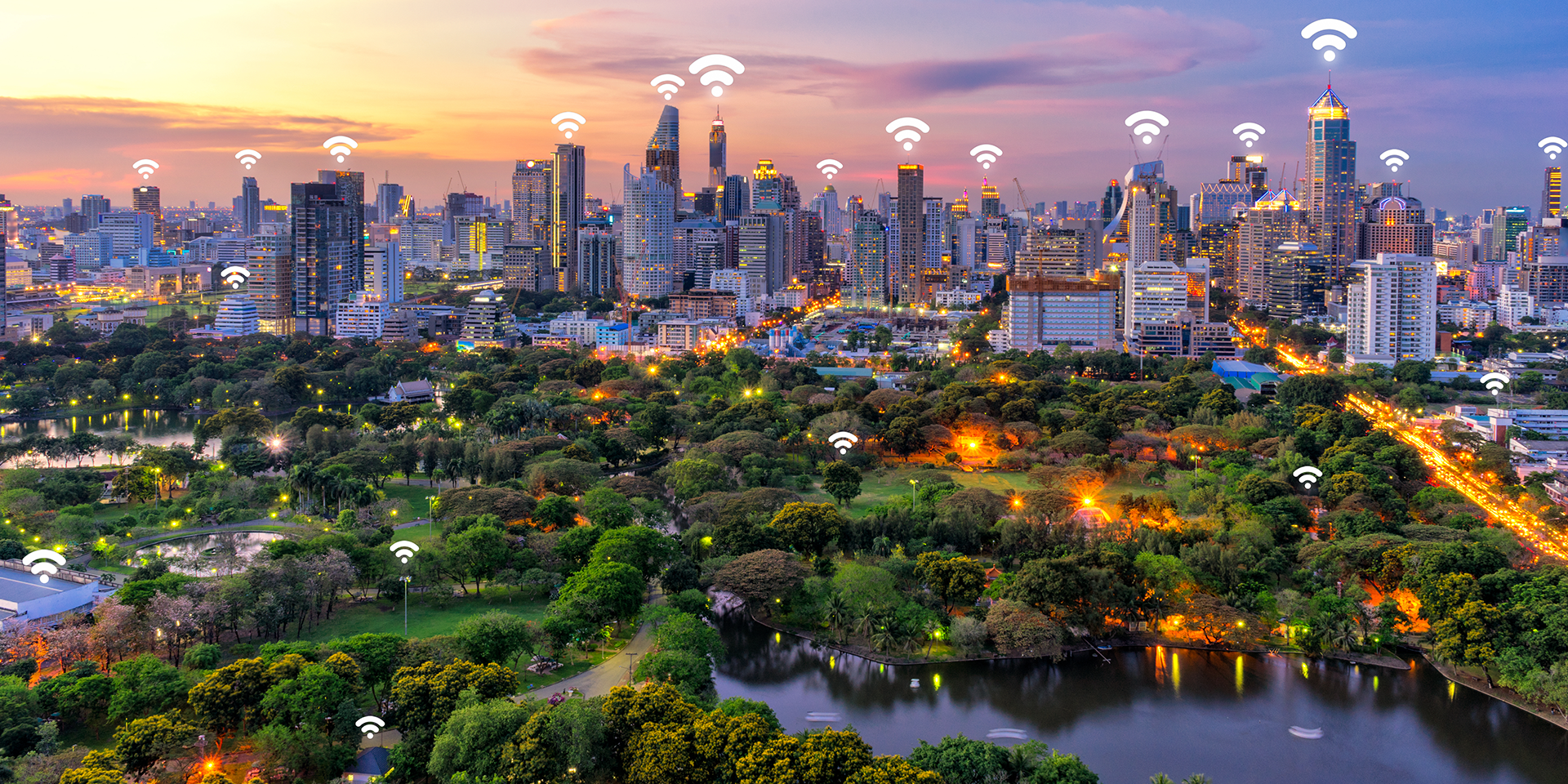
You might not know this, but Thailand is quietly becoming a hotspot for digital innovation. When most people think of the country, images of bustling street markets, golden temples, and tropical beaches probably come to mind. Yet, behind the scenes, Thailand’s tech scene is evolving at a pace that rivals some of the more traditionally “tech-savvy” nations in Asia. Honestly, I was surprised to learn how much the country has embraced digital technology across industries—from e-commerce to fintech, and even smart city initiatives.
If you’ve ever wondered how technology is transforming life in Southeast Asia, this blog will show you about the new digital technology in Thailand, and trust me—it’s worth paying attention to.
From Cash to Digital Wallets
One of the first things that struck me when exploring Thailand’s digital shift is how quickly the country is moving away from cash. Sure, cash has been king for decades, but digital wallets are now everywhere. Apps like TrueMoney, Rabbit Line Pay, and PromptPay are not just convenient—they’re redefining how Thais handle everyday transactions. I remember grabbing a coffee in Bangkok and realizing I didn’t even need my wallet; my phone was enough.
It’s fascinating because this isn’t just about convenience. The government has been actively encouraging digital payment adoption as part of a broader effort to boost financial inclusion. Even in smaller towns, local markets and mom-and-pop shops now accept digital payments, which is something I didn’t expect. You really start to see how technology is bridging gaps between urban and rural areas.
Smart Cities: Bangkok Leading the Charge
Bangkok, Thailand’s bustling capital, is slowly transforming into a smart city. Traffic congestion, pollution, and energy management are all being tackled with innovative digital solutions. Sensors, IoT devices, and real-time data monitoring are increasingly common, and the city is experimenting with AI-driven traffic systems to reduce jams—a problem every local will tell you is more than just a minor annoyance.
But it’s not just about infrastructure. Local authorities are exploring ways to use tech to improve citizen engagement, streamline public services, and even monitor environmental changes. I visited a few tech hubs in the city, and the energy there is infectious. Startups, university labs, and multinational firms are collaborating in ways that feel very future-forward.
Thailand’s Startup Culture
You might assume that countries like Singapore or Tokyo dominate the Asian startup scene—but Thailand is quietly building a reputation as a fertile ground for innovation. Co-working spaces, incubators, and accelerators have popped up in major cities, and young entrepreneurs are taking advantage of government incentives to launch tech ventures.
What I love is how these startups are not just copying Western models—they’re solving local problems. Think apps for rural healthcare, AI solutions for agriculture, or fintech platforms designed for unbanked populations. This local focus makes Thailand’s tech scene feel authentic and highly adaptable. Honestly, it’s refreshing to see innovation driven by necessity and creativity rather than just profit.
E-Commerce and the Social Commerce Boom
If you’ve ever shopped online in Thailand, you know the digital landscape is unlike anywhere else. Social commerce, particularly via platforms like Facebook, Instagram, and LINE, is exploding. Sellers can reach thousands of potential buyers without the need for traditional e-commerce infrastructure.
During a recent trip to Chiang Mai, I spoke with a small artisan who sells handmade jewelry online. She told me that digital platforms have transformed her business overnight—she went from a few sales per week to shipping orders internationally. Stories like hers illustrate the profound impact of digital technology at a human level.
Digital Tourism: Reinventing the Travel Experience
Thailand has always been a top travel destination, but technology is adding an extra layer to the tourist experience. Apps are now enabling travelers to plan trips, find local experiences, and even interact with AI-driven chatbots for instant guidance. Virtual tours and AR-enhanced attractions are also gaining traction, letting visitors experience cultural sites in ways that were impossible just a few years ago.
It’s fascinating because Thailand is blending the old with the new. Ancient temples and traditional festivals coexist with cutting-edge apps and smart guides, creating a unique cultural-technological fusion. For anyone curious about Southeast Asia’s digital evolution, Thailand offers a front-row seat.
Challenges and Opportunities
Of course, no digital revolution comes without challenges. Thailand still faces infrastructure gaps, cybersecurity concerns, and the need for digital literacy among older populations. But the momentum is undeniable. Policies, private-sector investment, and cultural adaptability are pushing the country forward at an impressive pace.
I was particularly struck by how collaborative the ecosystem is. Tech companies, government bodies, and educational institutions often work together to pilot new solutions, which makes the environment not just innovative but sustainable.
Reflecting on the Future
Walking through Bangkok’s tech hubs, meeting young entrepreneurs, and seeing the integration of digital tools in daily life made me realize how technology is more than just gadgets—it’s a cultural shift. Thailand is embracing the future while keeping its unique identity intact, and that balance is what makes its digital journey so compelling.
So, whether you’re a traveler, investor, or just tech-curious, this blog will show you about the new digital technology in Thailand in a way that feels grounded, real, and relatable. From fintech innovations to smart city experiments, the country offers an inspiring glimpse of how emerging markets can leapfrog into the digital age without losing their soul.
Honestly, it left me thinking: if Thailand can integrate tradition with high-tech solutions so seamlessly, what other surprises might be waiting in the region? It’s a reminder that digital transformation isn’t just about technology—it’s about people, culture, and creativity. And in that sense, Thailand is leading the way.